WHAT IS LABIOPLASTY?

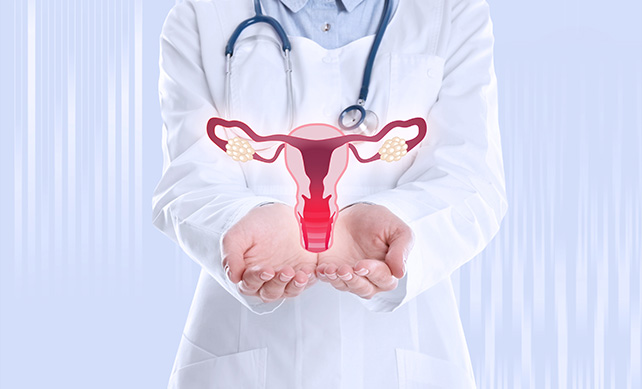
Labiaplasty is a plastic surgery procedure. It focuses on reshaping or reducing the size of the labia minora, which are the inner lips of the vulva. Less commonly, it also focuses on the labia majora.

The procedure is performed for a variety of reasons, including functional concerns, cosmetic preferences, or a combination of both. Some common reasons for labiaplasty include:

  • Discomfort: Women with enlarged or elongated labia minora may experience discomfort during physical activities such as exercise, biking, or sexual intercourse. They may also experience pain from friction from clothing.
  • Hygiene: Enlarged or irregular labia can sometimes make it difficult to maintain proper hygiene and can lead to irritation or infection.
  • Cosmetic concerns: Some women feel insecure about the appearance of their labia. Especially if they are asymmetrical, uneven, or protrude beyond the labia majora. Labiaplasty can help improve the overall aesthetic appearance of the vulva.

LABIOPLASTY TECHNIQUES

There are several techniques used for labiaplasty, each with their own benefits and addressing specific problems. The most common techniques are the “trim” technique and the “wedge” technique.

  1. The Trim Technique (edge ​​excision): In the trim procedure, the surgeon trims away excess tissue on the labia along the edge of the labia minora. This method is straightforward and allows for the removal of dark or irregularly pigmented tissue. However, the trim technique may result in a more visible scar on the tissue along the edge of the labia minora.
  2. Wedge Technique (central V-excision): In the wedge technique, a V-shaped or pie-shaped section of tissue is removed from the labia minora. Then, the remaining edges are sutured together.

This method maintains the natural border and pigmentation of the labia minora while reducing their overall size. The wedge technique generally results in less visible scarring. However, it may not be suitable for all patients, especially those with large or irregularly shaped labia.

It is important to consult a board-certified plastic surgeon or gynecologist with experience in labiaplasty. The consultation is important to discuss the surgical procedure, your goals, concerns and expectations. The surgeon will evaluate your medical history, prescribed medications, anatomy and the specific problems you wish to treat. These steps should be completed before determining the most appropriate surgical approach for your case.

RECOVERY AFTER LABIOPLASTY

The recovery process after labiaplasty can vary depending on the surgical technique and the patient’s healing process. However, the general overview of what to expect during the post-operative period is as follows:

Initial recovery: During the first few days after surgery, patients may experience swelling, bruising, and mild discomfort in the treated area. Pain medications and cold compresses can help reduce swelling and relieve other symptoms. Wearing loose, comfortable clothing to avoid putting pressure on the surgical site is recommended.

Personal hygiene: To prevent infection, it is important to keep the surgical area clean and dry. Patients should gently clean the area with mild soap and water and pat it dry after bathing. They may be advised to apply a topical antibiotic ointment to the incisions as directed by their surgeon.

Activity restrictions: Patients should avoid strenuous physical activity and heavy lifting for at least 2-4 weeks after surgery. It is important to follow the surgeon’s specific guidelines for resuming exercise and other activities.

Sexual intercourse and use of tampons: Patients are usually advised to abstain from sexual intercourse. Also, use tampons for at least 4-6 weeks after surgery to ensure proper healing. The exact timeline may vary depending on the patient’s healing process and the surgeon’s recommendations.

Follow-up appointments: Patients have follow-up appointments with their surgeons. It is to monitor the healing process and ensure a smooth recovery. It is important to attend these appointments and discuss any concerns or questions with the surgeon.

Final result: Swelling and bruising should gradually subside over the first few weeks. Final results are seen within a few months. The labia may continue to soften and take on their new shape over a longer period of time.

Following your surgeon’s specific instructions and guidelines for recovery is essential to ensure the best possible outcome. Contact your surgeon immediately if you have any concerns or notice any signs of infection or complications during the recovery period.

What Is A Vaginoplasty Surgery

These are some recommendations that patients must follow before the procedure to ensure a satisfying result: 

  1. Refrain from smoking for 1-2 months before the operation.
  2. Avoid stimulants such as caffeine for a month before the procedure.
  3. Make sure to eat healthy food regularly for at least a week before the procedure.
  4. Avoid alcohol.
  5. Refrain from having medications that cause blood thinning, such as Ibuprofen compounds.
  6. Refrain from drinking natural blood-thinning drinks such as green tea for at least two weeks before the procedure.

VAGINOPLASTY PROCEDURE

The vaginoplasty procedure can vary depending on the specific needs and goals of the patient. Depending on the patient’s needs, it can be done as plastic surgery or reconstructive surgery. The most common reason for the procedure is vaginal tightening. The steps of vaginoplasty for vaginal tightening are as follows:

  • Consultation: Before the procedure, the patient will have a consultation with the surgeon to discuss their concerns, goals, and expectations. The surgeon will evaluate the patient’s medical history, anatomy, and specific issues to determine the most appropriate surgical approach.
  • Anesthesia: Vaginoplasty is typically performed under general anesthesia or local anesthesia with sedation to ensure the patient’s comfort during the procedure.
  • Incisions and tissue removal: The surgeon makes an incision in the posterior vaginal wall (the area closest to the rectum) to access the underlying tissues. The incision usually extends from the perineum towards the cervix. The surgeon removes a small portion of the vaginal lining (mucosa) and tightens the underlying muscles and tissues with sutures.
  • Perineoplasty (optional): In some cases, the surgeon may also perform a perineoplasty. That procedure involves tightening the muscles and tissues around the vaginal opening and the perineum. That can further enhance the sensation of vaginal tightness and improve the area’s appearance.
  • Closure: Once the desired level of tightening has been achieved, the surgeon closes the incision with absorbable sutures. These sutures will dissolve on their own over time and do not need to be removed.
  • Recovery: After the procedure, the patient may experience discomfort, swelling, and bruising in the treated area. Pain medication and cold compresses can help alleviate these symptoms. A sanitary pad may be needed to absorb any light bleeding or discharge.

The patient should avoid sexual intercourse, tampon use, and strenuous activities. These activities should be stopped for about six weeks or as the surgeon directs to ensure proper healing. It is essential to consult with a board-certified plastic surgeon or gynecologist. Your surgeon should be experienced in vaginoplasty and open to discussing your goals, concerns, and expectations. 

LABIOPLASTY TECHNIQUES

VAGINOPLASTY

Labiaplasty/Vaginoplasty FAQ

What is Labiaplasty?

Labiaplasty is a surgical procedure that reshapes or reduces the size of the labia minora, the inner lips of the vulva.

How much does labiaplasty cost?

The cost of labiaplasty varies depending on several factors such as the surgeon’s experience, the location, and the extent of the procedure. On average, it can range from $3,000 to $10,000 in the United States.

What is the purpose of labiaplasty?

The purpose of labiaplasty is to reshape or reduce the size of the labia minora to improve their appearance, reduce discomfort or pain during physical activities, or improve sexual function.

What is vaginoplasty?

Vaginoplasty is a surgical procedure that aims to tighten or reconstruct the vagina for cosmetic or functional reasons, such as improving sexual function or addressing vaginal relaxation or prolapse.

How much does vaginoplasty cost?

The cost of vaginoplasty varies depending on several factors such as the surgeon’s experience, location, and the extent of the procedure. On average, it can range from $5,000 to $10,000 in the United States.

Why would someone get labiaplasty?

Someone may choose to have labiaplasty for a variety of reasons, such as: Such as asymmetry or irregularity of the labia minora, discomfort or pain during physical activities, or embarrassment or embarrassment about the appearance of the labia minora.

How painful is the post-labiaplasty period?

The level of pain or discomfort during labiaplasty recovery can vary depending on several factors, such as the extent of the procedure and the patient’s overall health. Some patients may experience mild to moderate discomfort, swelling, and bruising for several days to a few weeks after the procedure.

When is labiaplasty medically necessary?

Labiaplasty may be considered medically necessary if the size or shape of the labia minora causes discomfort or pain during physical activities, interferes with sexual function, or results in recurrent infections or other health problems.

How does vaginoplasty work?

Vaginoplasty works by surgically tightening or reconstructing the vaginal opening and canal. This may involve removing excess tissue, tightening the muscles, or using grafts or other materials to enhance the structure and function of the vagina. The procedure is typically performed under general anesthesia or local anesthesia with sedation.