What Is A Gastric Sleeve Operation

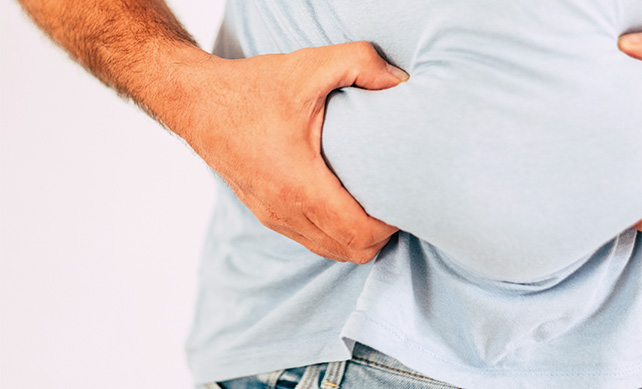
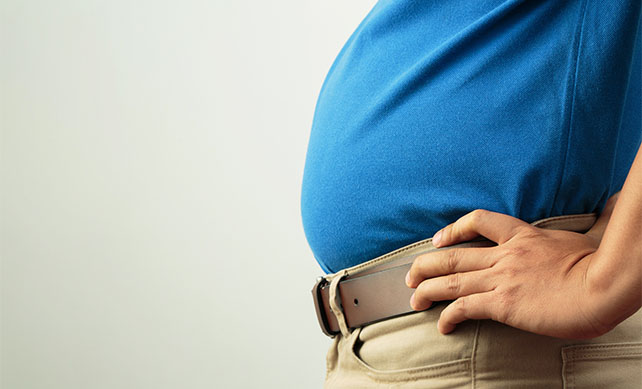
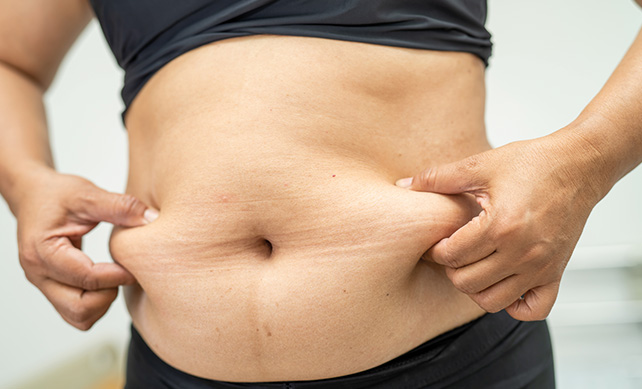
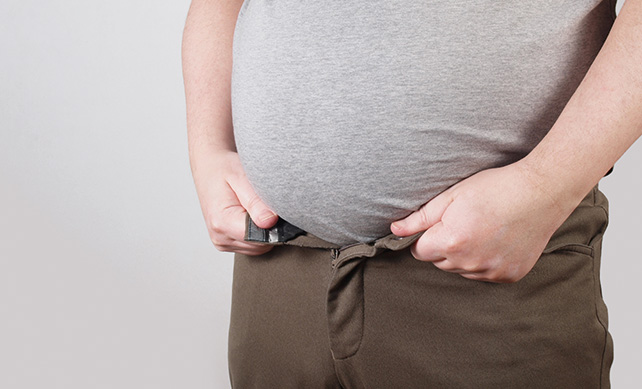
In recent decades, weight loss surgeries have become more popular. Many people are struggling with losing weight and finding solutions in surgical procedures. There are four primary bariatric surgeries in Turkey. 

  1. The Gastric Bypass operation.
  2.  The Gastric Sleeve operation. 
  3. The Gastric Balloon operation. 
  4. The Gastric Botoks operation.

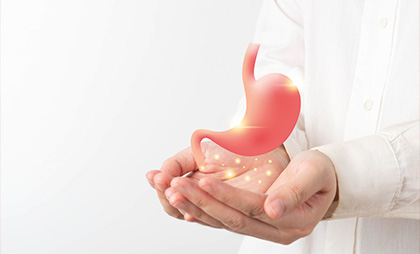
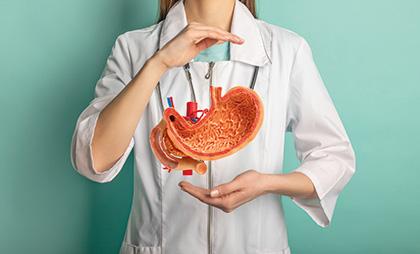
Gastric Sleeve operation in Turkey is one of the most popular bariatric surgery procedures. It is a simple and highly safe surgery in which about 70% of the original portion of the stomach is removed.

This stomach reduction makes the patient feel full faster and limits their food intake. Although it depends on the person, a patient can lose 70% of their excess weight with Gastric Sleeve surgery. Moreover, with the improvements in the field, Gastric Sleeves in Turkey can be combined with Gastric Bypass surgery to provide a much more effective weight loss process.

In this procedure, it is essential to remember that the stomach is an organ made of muscles. Therefore, if you do not follow the instructions given by the doctor and follow a specific diet, your stomach can expand to its previous size and lead you to start gaining weight again.

What Medical Issues Can Be Treated With A Gastric Sleeve

Gastric Sleeve surgery is not only a solution for obesity or excess weight but also for many other diseases. If the patient follows all the instructions given by the doctor and has a healthy diet, they can be free from several health problems. Some of those are as follows:

  • Type 2 diabetes: The surgery provides insulin resistance.
  • High blood pressure (Hypertension): Since gastric surgery eliminates excess weight, it improves the body’s blood pressure levels.
  • High cholesterol: As with all bariatric surgeries, Gastric Sleeve operation also improves and balances cholesterol levels.
  • Sleep Apnea: When patients lose weight after bariatric surgery, the fatty tissue around the upper airway reduces, which can prevent sleep apnea and related upper airway collapse.
  • Joint Pain: The excess weight on the body can be a burden to the joints and cause pain. Removing this burden by weight loss surgery can relieve joint pain.

Candidates For Gastric Sleeve Operation

Bariatric procedures can help you lose excess weight, but only some are eligible for these surgeries. To have a sleeve surgery in Turkey, a patient must meet certain conditions. These are as follows:

  1. Those who suffer from obesity and adiposity.
  2. Those who have difficulty changing their eating habits.
  3. Those who have 35kg or higher body mass index (BMI).
  4. The person must be healthy and free of any health problems hindering gastric sleeve surgery.
  5. The person who is due to undergo Gastric Sleeve surgery should be between 18 and 65 years old.
  6. The person must be free of stomach diseases that hinder the operation, such as stomach ulcers or gastritis.

Pre-Gastric Sleeve Operation Tips

The advice and instructions dictated by the doctor must be followed before Gastric Sleeve surgery in order to reach the desired result, such as:

  • Refrain from eating anything for about 5 hours before the surgery. Refrain from having stimulants such as caffeine since they make it difficult to respond to the process of anesthesia.
  • Refrain from medications that cause blood thinning, such as Ibuprofen. Get used to exercises for a certain time before the surgery.
  • Refrain from having food that is high in calories or saturated with fat. Pay attention to drinking plenty of water before the operation. Refrain from smoking for a month before the surgery. Refrain from having any sort of blood thinners, such as green tea and vitamin combinations, to avoid bleeding during the operation.

Tips After Gastric Sleeve Operation

After the Gastric Sleeve surgery, as in all bariatric surgeries, the doctor gives instructions for the patient to follow. These instructions are essential to get the best results without any side effects. Some of the instructions are as follows:

  • The person should drink plenty of water after Gastric Sleeve surgery.
  • Refrain from drinks that contain gas or sugar.
  • It is recommended to have nutritional supplements that contain vitamins and calcium for a month after the operation.
  • Since it reduces the oxygen rate in the blood needed for healing and recovery, refrain from smoking for two months after the operation.
  • Follow a diet determined by a nutritionist to get healthy and balanced food containing proteins.
  • Drink fluids exclusively, only in the first week.
  • It is recommended to exercise two weeks after the Gastric Sleeve operation.

Stages Of Gastric Sleeve Operation

Gastric Sleeve operation is a safe and fast one. The operation takes around 45 minutes. Most of the time, the patients can leave the hospital on the same day. The stages of Gastric Sleeve operation are as follows:

  1. First Stage: Clinical Examinations — The candidate for the operation must go through several tests and examinations. The doctor examines the patient to see if they are eligible for the process and do not have any diseases or conditions that may cause complications after the surgery. Furthermore, the surgeon analyses and determines the size of the stomach to be removed according to the patient’s weight.
  2. Second Stage: Anesthesia Stage — Gastric Sleeve surgeries are conducted with general anesthesia. Before the surgery, the anesthesiologist gives anesthesia to the patient so they do not feel anything during the surgery. For the anesthesia process to be successful, as in all surgical procedures, the patient must adhere to the instructions given before the preparation process.
  3. Third Stage: Conducting of Gastric Sleeve Operation — Most Gastric Sleeve surgeries are done by robotic surgery or with a laparoscope. This laparoscope monitors everything inside for the surgeon.

The surgeon makes several small incisions on the upper abdomen to insert the laparoscope. Then, the surgeon removes about 70% part of the stomach. After this removal, only a sleeve-shaped stomach piece is left. That is actually how the surgery gets its name.

Gastric Sleeve Surgery Cost

The price range of the surgery radically changes from one country to another. This change can result from several things, such as;

  1. The country’s currency,
  2. The condition of the health system,
  3. The waiting list that the system offers,
  4. The technology used in surgical fields.

Today, many people prefer Turkey for bariatric surgeries because of the lower costs and short waiting lists it provides. The prices Turkish hospitals and clinics offer are almost half the fees that European countries offer. Moreover, Turkey has much to offer patients other than just surgery.

Turkey’s quality clinics, experienced surgeons, state-of-the-art technology equipment, and improved health tourism field make it a great candidate for patients. Besides the technical part, Turkey is also very appealing as a tourist place. Patients prefer Turkey not only for the low cost of surgery but also for the opportunity to travel to an exciting country rich in natural and cultural wonders.

What Is Gastric Balloon Operation

Gastric balloon in Turkey is a non-surgical procedure that aims to reduce weight by placing an intragastric balloon in the stomach. This balloon placement limits and reduces the amount of food the patient can eat. After the operation, since the patient feels full even after eating a small amount of food, he loses weight.

The gastric balloon procedure is an outpatient procedure that takes about an hour. It is a much simpler procedure compared to other bariatric surgeries, such as gastric sleeve or gastric bypass. There are three types of gastric balloon operation. Depending on the patient’s body weight and body mass index, the doctor determines the most suitable type of balloon. These types are:

  • Orbera: A single deflated balloon is placed in the stomach and then filled with saline solution.
  • Reshape: These are two balloons and are similar to Orbera.
  • Obalon: It is introduced into the stomach through small capsules and filled with nitrogen gas.

The balloon is left in the stomach for six to nine months. The time is determined according to the weight of the patient.

Candidates For Gastric Balloon Operation

Many people who are obese and want to lose weight would consider gastric balloon surgery. However, the procedure is not suitable for everyone. Some of the possible candidates for the procedure are listed below:

  • Those who suffer from obesity and block excess fat.
  • The fat mass index of the person who will undergo the procedure should be between 30 kg and 35 kg.
  • The person must be free of diseases that may interfere with the operation, such as gastritis or ulcers.
  • The person who is to undergo gastric balloon surgery must be over 18 years of age.
  • Those who have not undergone any gastric or esophageal operation.
  • Those who cannot lose weight through diet and exercise alone.

Pre-Operative Advice For The Gastric Balloon

There are some tips and instructions to follow before undergoing gastric balloon surgery, which are summarized as follows:

  • Stop eating and fast for four hours before the operation.
  • The patient should inform the doctor about his medical history. The doctor needs to know if the patient is suffering from a particular disease or if he is taking certain medications or medical treatments.
  • Make the X-ray necessary to ensure the safety of the patient and his fitness for the operation.
  • Refrain from having any kind of blood thinners, such as vitamin combinations, alcohol, and green tea.
  • Stop smoking for a week before undergoing gastric balloon surgery.

Stages Of Gastric Balloon Operation

The gastric balloon operation is performed in a few simple steps, which are as follows:

  • First step: Clinical examination — The doctor examines the excess fat masses and determines the amount of fat mass to be reduced. It also identifies the outcomes desired by the patient.
  • Second step: Preparing the patient — Medical staff preparing patients for gastric balloon operation. The anesthesiologist anesthetizes the patient with local anesthesia. The patient may also have a sedative that helps them relax during the operation.
  • Third step: Insertion of the gastric balloon — If the procedure is performed with the Orbera or Reshape method, the doctor places the balloon in the mouth with an endoscope. The capsules are placed when the procedure is performed with the Obalon method.
  • Fourth step: Fill the balloon — If the procedure is performed with the Orbera or Reshape method, the balloon is filled with saline solution. The balloon is filled with nitrogen gas if the procedure is performed with the Obalon method.
  • Fifth step: Remove the ball — The balloon is left in the stomach for six to nine months. The patient continues his normal life during this period. After about 6-9 months, the balloon is removed from the patient’s stomach by the doctor.

Post-Operative Advice For The Gastric Balloon

The doctor dictates certain instructions that the patient must follow to get the desired results from the gastric balloon operation without having any side effects. Some of the instructions are:

  1. It is recommended to follow a specific diet after gastric balloon surgery.
  2. Drink plenty of water before and after meals after the gastric balloon is introduced into the stomach.
  3. Avoid smoking for at least two weeks after the procedure.
  4. Obtain the necessary painkillers that the doctor will prescribe in case of discomfort.
  5. Refrain from carrying heavy objects or doing heavy work after the procedure.

What Is A Gastric Bypass Operation

Gastric Bypass Surgery, also known as Roux-en-y gastric bypass, is a kind of bariatric surgery that is combined with sleeve gastrectomy. It is one of the major weight loss surgeries that can help you lose up to 55-70% of your excess weight. It works by separating the upper part of the stomach pouch from the rest. Then, immediately divert it to the part of your small intestine so the food will only go to the upper section of the stomach. Thus, when the patient eats a small portion of food, he will immediately feel full, as if his stomach was filled with plenty of food. This procedure takes between 2-4 hours.

The most essential condition a patient must meet to have the surgery is to have a suitable Body Mass Index (BMI). The eligible BMI for the surgery is 35 or higher.  For the eligible patient, Gastric Bypass Surgery can treat many disorders apart from obesity, such as sleep apnea, heart disease, high cholesterol, and blood pressure, and many more.

Keep in mind that after getting a Gastric Bypass, since the stomach pouch that receives the food will be smaller, the calories and nutrients that your body absorbs will be lessened. Therefore, your surgeon will prescribe some vitamins and immune system supporter supplements. You may need to use these vitamins and supplements for a long time period.

Candidates For Gastric Bypass Operation

Not everyone is suitable to undergo a Gastric Bypass operation. The patient must meet some conditions to be a candidate. The most important ones are:

  • The person wishing to have this operation must not weigh less than 40 kg.
  • The person wishing to have this operation must have a BMI of 35 or higher.
  • The person wishing to have this operation must be healthy and not suffer from any conditions that caused this excess weight.
  • The person wishing to have this operation must be free from blood clotting problems, as they may lead to severe bleeding during the operation.
  • The person wishing to have this operation must be free from serious and chronic diseases, such as heart conditions, type 2 diabetes, high blood pressure, high cholesterol, and immunodeficiency.
  • A person who suffers from obesity and related health problems, such as osteoporosis and cartilage melting.
  • A person who has failed to lose weight through exercise and a balanced diet.
  • The patient must not have any infections with certain viruses, such as hepatitis C virus, Anemia, and Aids.

Pre-Gastric Bypass Operation Tips

Before undergoing the Gastric Bypass Operation, the patient must undergo some procedures first, such as:

  1. The patient must undergo some medical tests first to make sure their health situation is suitable for the operation.
  2. Refrain from eating or drinking anything for eight hours before the Gastric Bypass Operation.
  3. Refrain from smoking for at least two weeks to a month before the operation.
  4. Refrain from having any blood thinners, such as green tea.
  5. Refrain from all kinds of caffeine, such as Arabic coffee and tea, for at least two weeks before the operation since they make it difficult to anesthetize the patient.
  6. Refrain from taking any medications that can lead to blood thinning for at least two weeks before the operation.

Stages Of Gastric Bypass

The Gastric Bypass Operation has three main stages:

  1. Anesthesia stage: At this stage, the patient is given general anesthesia to protect the patient from feeling any pain during the operation.
  2. Sleeve gastrostomy stage: At this stage, the doctor sleeves the upper section of the stomach, which is a small stomach pouch section that can accommodate up to 28 grams of food. Thus, the food will go directly without passing by the larger lower section, forcing the patient to eat only small amounts of food.
  3. Gastric transformation stage: At this stage, the doctor connects the upper part of the stomach directly to the small intestine through a small hole to allow the food to pass to the small intestine.

Post-Gastric Bypass Operation Tips

Some guidelines and instructions must be followed by patients who have undergone gastrointestinal bypass surgery. The most important of them are:

  1. Refrain from eating immediately after the operation. You can only intake fluids. By that time, you can start eating pureed food for a while, then some light, soft food, and finally, you can eat solid complex food.
  2. Take vitamins and mineral supplements, which include iron, calcium, and vitamin B12.
  3. Refrain from doing any great effort or carrying any heavy things for at least a month after the operation.
  4. Refrain from smoking for at least two weeks to a month after the Gastric Bypass Operation.

To maintain the operation results and have a long-term solution to your excess weight, you must follow a balanced diet and exercise regularly.

Gastric Sleeve

Gastric Balloon

Gastric Bypass

Gastric sleeve/balloon/bypass FAQ

What is a gastric sleeve?

A gastric sleeve, also known as a sleeve gastrectomy, is a weight loss surgery that involves removing a portion of the stomach to create a smaller, sleeve-shaped stomach. This procedure reduces the size of the stomach and changes how food is absorbed, leading to weight loss.

How much is gastric sleeve surgery?

The cost of gastric sleeve surgery can vary depending on several factors, including the surgeon’s experience, the geographic location of the surgery, and other related expenses. The average cost of gastric sleeve surgery in the United States can range from $10,000 to $20,000.

What happens if you eat solid food after gastric sleeve?

After gastric sleeve surgery, patients are advised to follow a specific dietary plan to ensure proper healing and weight loss. Eating solid foods too soon after surgery can cause discomfort, nausea, vomiting, or other digestive problems. Following the healthcare provider’s instructions regarding the post-operative diet plan is essential to prevent complications and promote successful weight loss.

How long does gastric sleeve surgery take?

The duration of gastric sleeve surgery can vary depending on several factors, including the surgical technique used, the individual’s specific circumstances, and the surgeon’s experience. Typically, gastric sleeve surgery can take one to two hours.

How does gastric sleeve work?

Gastric sleeve surgery works by reducing the size of the stomach and changing how food is absorbed, leading to weight loss. Creating a smaller, sleeve-shaped stomach reduces the amount of food consumed at one time, leading to a feeling of fullness and reduced food intake. Additionally, removing a portion of the stomach can reduce the production of hormones that stimulate hunger and appetite.

How long does gastric bypass surgery take?

The duration of gastric bypass surgery can vary depending on several factors, including the surgical technique used, the individual’s specific circumstances, and the surgeon’s experience. Typically, gastric bypass surgery takes two to four hours to complete.

Is gastric bypass safe?

A qualified and experienced healthcare provider generally considers gastric bypass surgery safe. However, like any surgical procedure, it may be associated with certain risks and complications, such as bleeding, infection, and blood clots. Discussing the potential risks and benefits of this procedure with a qualified healthcare provider before undergoing treatment is essential.

Is gastric bypass reversible?

Gastric bypass surgery is considered a permanent weight loss solution and is not typically reversible. However, in rare cases, a healthcare provider may recommend a revisional surgery to modify or reverse the effects of gastric bypass surgery.

What is a gastric balloon?

A gastric balloon is a non-surgical weight loss procedure that involves inserting a deflated balloon into the stomach through the mouth and then inflating it to reduce the amount of space available in the stomach, causing a feeling of fullness and a reduction in food intake. The balloon is usually left in place for several months before being removed.

Is the gastric balloon covered by insurance?

Insurance may not cover gastric balloon procedures as they are often considered cosmetic or elective. However, coverage may vary depending on the individual insurance plan and the specific circumstances of the case. You should check with your insurer to determine if a gastric balloon procedure is covered under your plan.

How much does gastric balloon surgery cost?

The cost of a gastric balloon procedure can vary depending on several factors, including the type of balloon used, the location of the procedure, and the provider’s fee. The average cost of gastric balloon procedures can range from $5,000 to $15,000.

Is the gastric balloon covered by insurance?

Insurance coverage for gastric balloon procedures may vary depending on the individual insurance plan and the specific circumstances of the case. Some insurance plans may consider a gastric balloon procedure an elective or cosmetic procedure and may not cover it. You should check with your insurance provider to determine if a gastric balloon procedure is covered under your plan.

What is gastric bypass surgery?

Gastric bypass surgery, also known as Roux-en-Y gastric bypass, is a weight loss surgery that involves dividing the stomach into a small upper pouch and a larger lower pouch and then connecting the small intestine to the upper pouch. This procedure reduces the size of the stomach and changes how food is absorbed, leading to weight loss.

How much is gastric bypass surgery?

The cost of gastric bypass surgery can vary depending on several factors, including the surgeon’s experience, the geographic location of the surgery, and other related expenses. In Turkey, the average cost of gastric bypass surgery Starts from $4,000.

What can you never eat again after gastric bypass?

After gastric bypass surgery, patients are advised to avoid certain types of food that can cause discomfort or digestive problems. These may include high-sugar foods, high-fat foods, fried foods, carbonated drinks, and harsh or stringy meats. However, the specific dietary restrictions may vary depending on the individual’s circumstances and the healthcare provider’s recommendations.